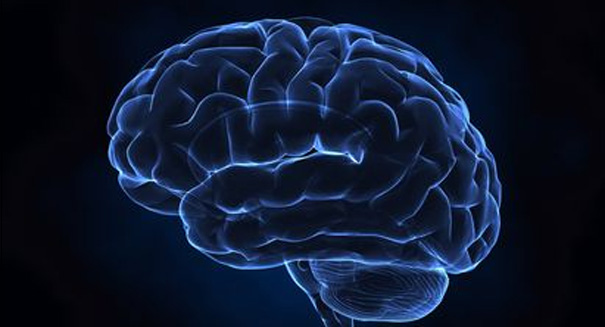
The study showed that the brain reacted differently when initially exposed to the ideas that were later successfully pitched and sold.
A new study examined the neurological link to the social promotion of ideas. Researchers used a functional MRI to see how the brain responded to a variety of ideas. The participants were communicators that would then present these ideas to others. The researchers determined whether the ideas that provided a more active brain response were more successfully spread to others and whether the subjective evaluation of the participant correlated with the difference.
The participants were told that they were interns pitching ideas for television shows to producers. First, the participants, who were students at UCLA, were presented with approximately 20 ideas for shows. The researchers performed brain imaging to see how they reacted to these ideas. The participants evaluated the ideas and pitched the best ones to the “producers,” who were a second group of UCLA students. The second group chose which ideas they would purchase to make shows.
The study showed that the brain reacted differently when initially exposed to the ideas that were later successfully pitched and sold. The participants that were not successful in their pitches did not have the same brain effect. They did not have different brain activity all the time, but at the moment they heard the idea that they wanted to spread.
Different brain activity was seen, in particular, in the temporoparietal junction (TPJ). The TPJ is the part of the brain where the temporal and parietal lobes meet, which is at the back of Syvian fissure. A number of cognitive processes occur in the TPJ, including emotional processing, self-perception, and integrating data. These processes play an important role in social interaction, which helps explain the results of the study.
Other studies have found similar results, showing that the brain plays a role in the spreading and accepting of ideas. One study, published in Neuroimage, found that the teenage brain reacted differently to songs perceived as popular, which the participants were also more willing to purchase. The TPJ is also correlated with beliefs and values, with a group of scientists noting that a well-developed right TPJ better carries those beliefs and values into the way ideas and behaviors are evaluated and selected. The TPJ also plays an important role in perception of future emotional events, allowing the person to react based on the emotions they think will be present later. For those pitching ideas, predicting that a positive emotional response will be elicited is invaluable.


Leave a Reply